
Behind Low: Turning lived experience into a film about diabetes stigma
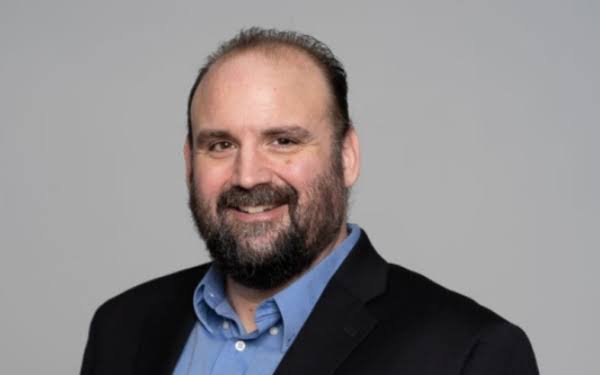
What can film teach us about stigma? Low draws on the lived experiences of people managing diabetes while experiencing homelessness. We speak with peer researcher Matt Larsen about how the film was developed, the importance of lived experience in telling the story, and what others can learn from the process.
Low is a narrative film based on the lived experiences of people managing diabetes while experiencing homelessness. It follows Bobby, who is trying to manage his diabetes while staying in an emergency shelter, and Annika, a shelter worker navigating an already stretched and chaotic environment. Their story is interspersed with firsthand reflections from people who have experienced diabetes and homelessness themselves.
The film grew out of the Calgary Diabetes Advocacy Committee (CDAC), a community-based participatory research group bringing together people with lived experience and researchers. When the group asked what would make it easier for people experiencing homelessness to manage their diabetes, stigma and diabetes awareness emerged as priorities. That work eventually led to Low, developed with filmmakers and shelter staff over ten months.
One of the people you see in the film is Matt Larsen. Matt has experienced both type 2 diabetes and homelessness and was also involved in developing Low through CDAC, working as a peer researcher while undertaking graduate studies at the University of Calgary.
We spoke with Matt about the message behind Low, why lived experience mattered to the way the story was told, and what others can learn from the process. Low has since been followed by Low Priority, which takes the story into a hospital setting, with a third film also planned.
What would you like people to understand after watching Low?
The biggest thing for me is not jumping to judgement. In the film, Bobby appears to be drunk, but he is actually experiencing a diabetic low. That came from real experiences within the group.
It is very easy to moralise things like homelessness and type 2 diabetes and think, “You did this to yourself.” But the reality is much more complex.
I’d like people to have more empathy and question that first assumption they might make about somebody.
Why was storytelling chosen to communicate that message?
Storytelling was already an important part of CDAC’s work before Low. The group had experimented with Photovoice, using photographs to share people’s experiences, as well as forum theatre, which is similar to improv theatre.
Stories are incredibly powerful, so moving from that work into film made sense.
The story in Low was fictionalised, but it was grounded in things that had actually happened to members of the group. That authenticity was really important.
We also included people with lived experience speaking as themselves within the film. It was important that our own voices were there and that people could see the real people behind the story.
How does the film challenge stigma without reinforcing stereotypes?
There was a lot of discussion between people with lived experience, the academic researchers and the director, and changes were made throughout the process.
There can sometimes be tension between creative licence and lived experience. I remember seeing makeup being used to put dirt on people’s faces during filming, for example, and thinking that didn't really reflect my experience of shelters. There were also things we fought to keep in, such as swearing, because they were part of the reality we wanted to show.
Ultimately, if there had been a significant disagreement, I believe the experience of people who had actually lived it would have taken precedence. By almost all accounts, the finished film is an extremely authentic representation of our experiences.
What made the partnership between researchers and people with lived experience work?
Relationships. You cannot just ask people to share very personal experiences without first building trust.
We had known each other and worked together for a long time before making the film. Even small things mattered, like having food and half an hour of informal conversation before meetings. We got to know each other as people rather than only coming together to extract information for research.
Dr David Campbell and the other academic researchers showed real respect and humanity towards the people with lived experience. You have to genuinely care about the people you are working with, and that takes time.
What would you tell another organisation considering creating an advocacy film?
Build the relationships first. It does not necessarily have to take years, as ours did, but you need to spend time getting to know people, building trust and genuinely involving them in the work.
That relationship is what allows people to share difficult experiences and what ultimately makes the storytelling authentic.
How do you measure the impact of a project like Low?
We didn't do much formal measurement for Low that I know of, but there has been a more concentrated effort to measure the impact of Low Priority. Audiences were surveyed before and after watching the film, and we saw positive changes in their knowledge, attitudes and beliefs.
Beyond formal evaluation, Low has now been screened more than 35 times across five Canadian provinces, reaching more than 2,000 people, and has been incorporated into medical and nursing curricula.
What change would you like the films to lead to?
There are practical changes I would like to see in shelters, including healthier food and better diabetes training for staff.
Access to medication is another issue. Different shelters have different policies and some don't allow people to keep insulin with them because the needle can be considered a potential weapon. But in a chaotic shelter environment, people aren't necessarily going to be able to access their insulin when they need it.
There is also a broader change in attitude I’d like to see. Some shelters can feel punitive, as though people should not be made too comfortable. People experiencing homelessness are not necessarily trying to take advantage of the situation. Sometimes people need support to get back on their feet.
I hope the film helps people see that complexity rather than immediately making a judgement.